
Formally known as Brisbane Autocare
A hydraulic wheelchair lifter is the single most critical component in any accessible transport vehicle. Whether you operate a community transport fleet, a wheelchair taxi, or a private NDIS van, skipping routine wheelchair lifter maintenance does not just disrupt your schedule—it leaves passengers stranded and puts vehicle safety at risk.
Because commercial lifters endure thousands of cycles each year alongside continuous road vibration, proactive care is key to avoiding costly downtime. Here is a practical wheelchair lifter maintenance checklist our engineering team recommends to keep your equipment operating smoothly.
Before taking a vehicle on the road, drivers or operators should perform a quick 60-second functional check:
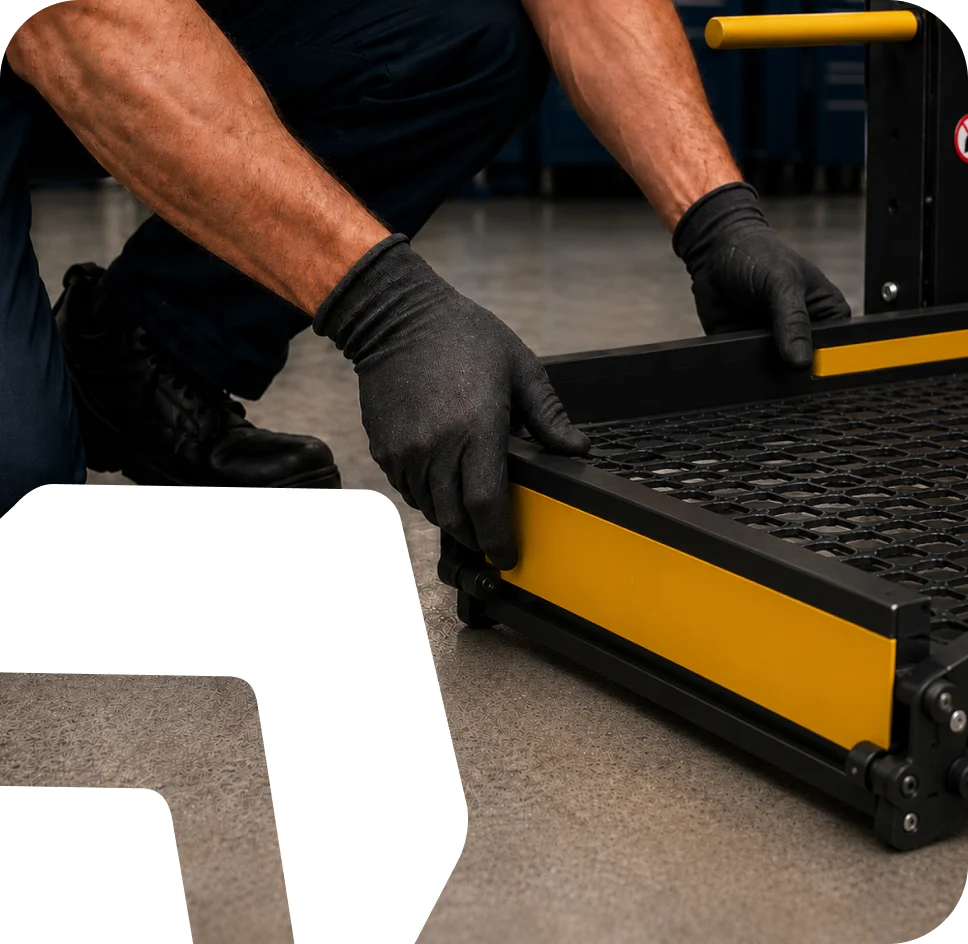
Grit and road debris are the biggest enemies of hydraulic seals and mechanical pivots:
While routine driver checks catch obvious early issues, professional workshop servicing is vital for long-term reliability and regulatory compliance.
Under Australian standards, commercial accessibility equipment requires periodic professional inspections. Over time, hydraulic fluid degrades, internal seals wear, and mechanical pivot pins require precise lubrication. Incorporating thorough wheelchair lifter maintenance into your fleet’s routine servicing includes testing hydraulic bypass pressures, checking emergency manual hand-pump operation, and verifying the structural integrity of all chassis anchors.
At Avanco, we engineer, install, and maintain commercial accessibility equipment to keep your vehicles safe, compliant, and route-ready.
To schedule professional wheelchair lifter maintenance or a Certificate of Inspection (COI), contact our team today on 1800 282 626 or email info@avanco.au.